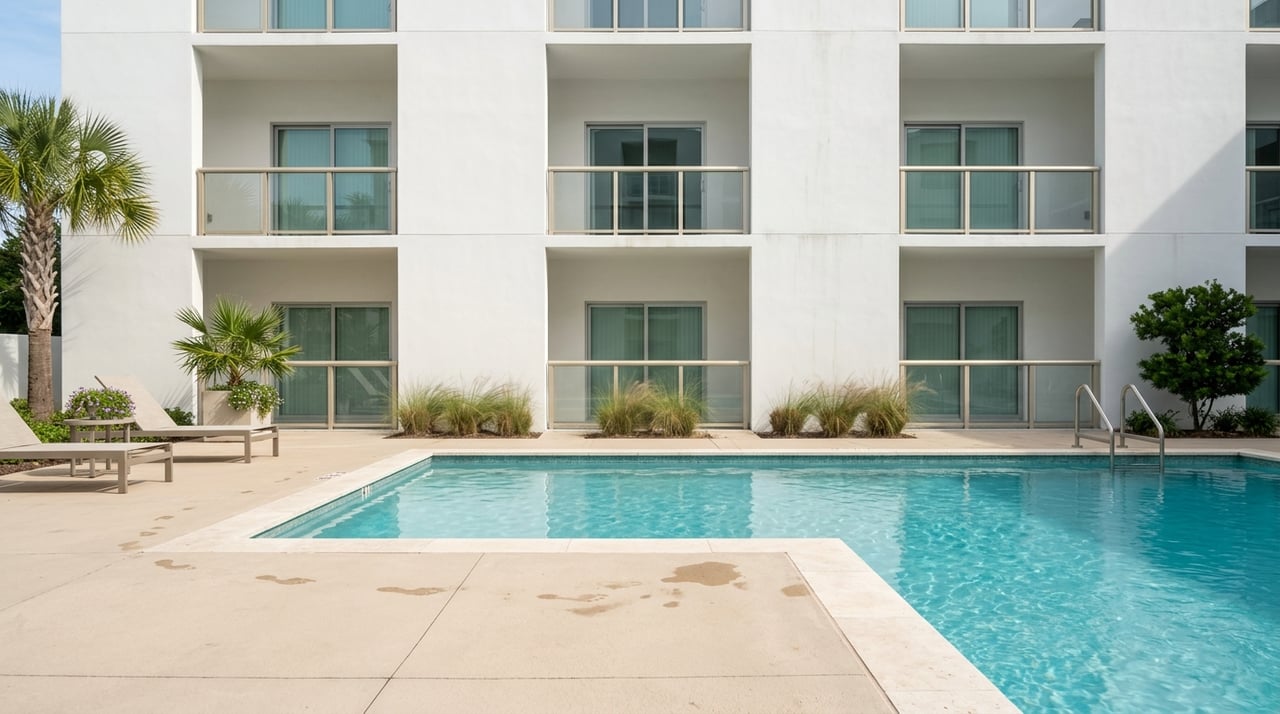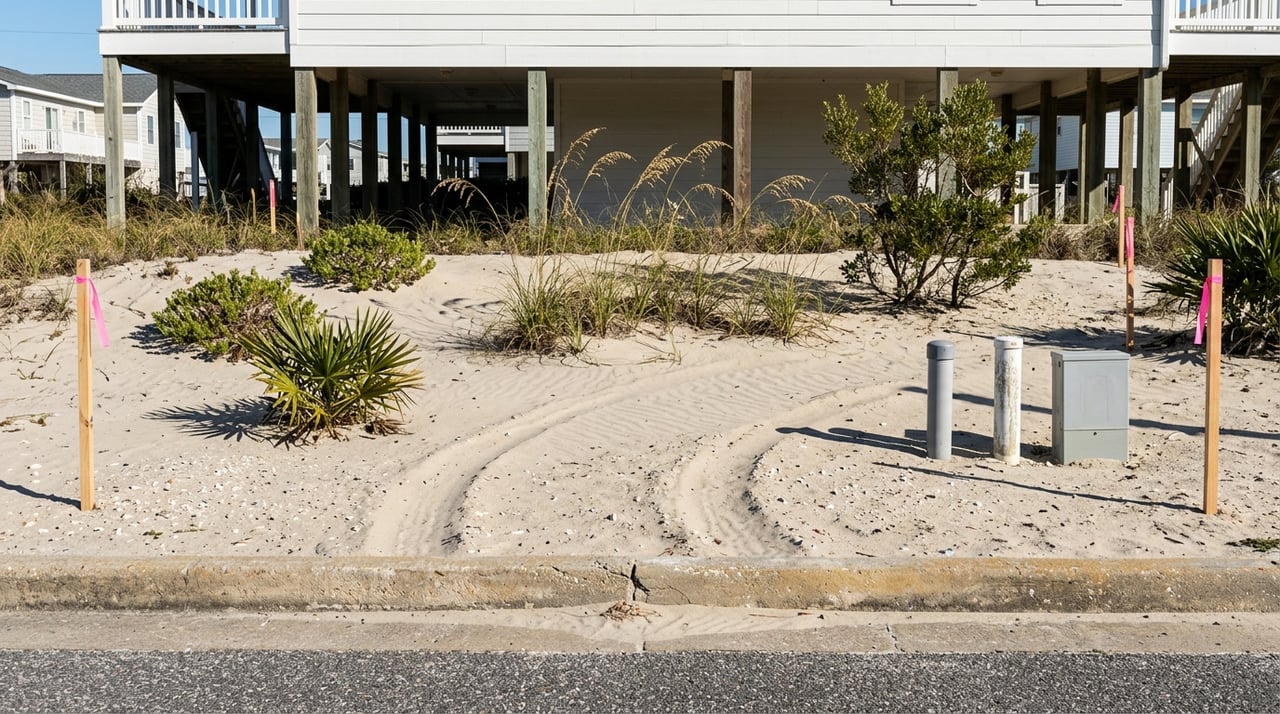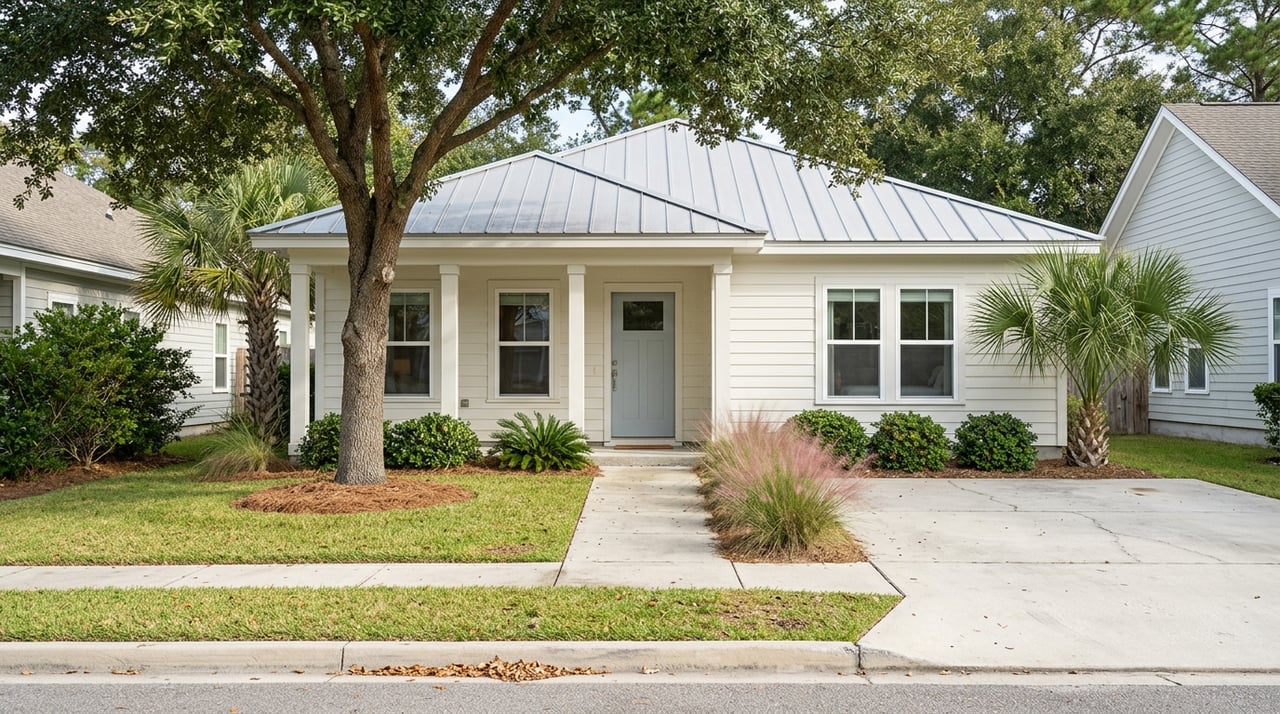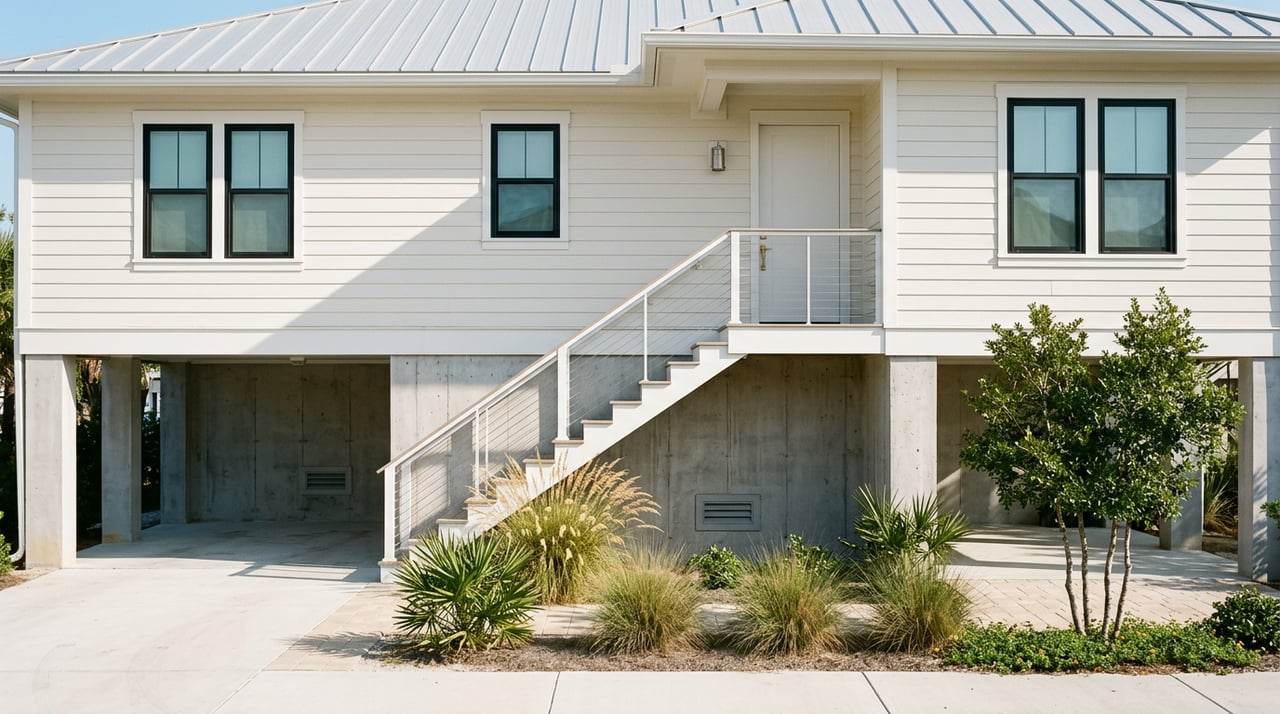
Ever thought about owning a beach place that also pays its way? If Mexico Beach is on your radar, you’re looking at a quieter Gulf community where guests return for sugar‑white sand, fishing, and simple beach days. You want a home you’ll love that also performs like an asset. This guide walks you through what to buy, how rentals perform, the rules and taxes you must follow, and a clear checklist to make a confident offer. Let’s dive in.
Why Mexico Beach works for rentals
Mexico Beach is a small, low‑density town east of Panama City Beach with a laid‑back feel and repeat visitors who value calm beaches and boating. That smaller scale can mean less competition from big condo towers and a guest profile that books longer, quieter stays. You’ll typically find single‑family homes and duplexes instead of high‑rise condos, which fits well with families and fishing groups. To get a feel for the area’s vibe, explore the city’s own overview of the community and lifestyle on the official site at Mexico Beach’s visitor page.
Compared to the larger resort markets nearby, you may see lower baseline nightly rates than very high‑end corridors, but acquisition costs and operating intensity can be more approachable. Your results will hinge on location, condition, and how you manage the property. If you prefer a slower pace and consistent family demand, Mexico Beach delivers that experience.
What to buy: property types and construction
Most active vacation rentals here are entire homes. AirDNA’s Mexico Beach snapshot shows a market made up of entire-home listings with a strong mix of 2 to 4 bedrooms, which aligns with typical guest groups and turnover patterns. You’ll see elevated beach houses on pilings, duplexes, and a few small condo clusters inland. For market mix and metrics, review the AirDNA Mexico Beach overview.
Construction quality matters on the coast. Hurricane Michael made landfall near Mexico Beach in 2018 and caused severe wind and surge damage, which led to widespread rebuilding to newer Florida Building Code standards. Many homes now feature elevated foundations, stronger connections, and impact glazing. Always confirm build year, permit history, and any structural engineering with documentation, and review the FEMA Mitigation Assessment Team report on Hurricane Michael for context on resilient coastal construction.
Revenue and seasonality in Mexico Beach
Market‑level performance averages give you a starting point, not a guarantee. According to the AirDNA market snapshot, Mexico Beach runs around 51 percent occupancy, an average daily rate near 450 dollars, and roughly 40 thousand dollars in average annual revenue per active listing. Individual results vary widely by waterfront proximity, views, number of bedrooms, finishes, and marketing.
Seasonality is straightforward. Peak demand runs from Memorial Day through Labor Day, with a spring break lift in March and productive shoulder periods for fishing and quiet family stays. Winter months are typically softer. You can learn about the area’s core activities and rhythms by referencing the Mexico Beach destination guide, and by reviewing any seller‑provided booking calendar for patterns.
Management and day‑to‑day operations
If you live out of the area, a reliable local team is essential. Full‑service vacation rental managers commonly charge about 20 to 35 percent of gross rent for bookings, guest messaging, housekeeping coordination, and maintenance oversight. Lower‑fee co‑host or a la carte models in the 10 to 18 percent range also exist, often with cleaning as a pass‑through. For a helpful primer on how fees are typically structured, see this overview of management models and ranges from Baselane.
Operational reliability drives reviews. Line up cleaners who can turn same‑day in peak season, vendors for HVAC, plumbing, and appliances, and a responsive contact for after‑hours issues. Ask prospective managers for references, sample owner statements, and clarity on fee stacking, platform charges, and damage coverage so your net income is predictable.
Rules, licenses, and taxes you must plan for
Short‑term rental rules apply at both the county and state levels. Bay County’s program includes registration, inspections, and operational requirements for qualifying properties in unincorporated areas. Confirm whether your address sits inside the City of Mexico Beach or in unincorporated Bay County, then follow the county’s process for certificate posting, inspection, and required interior and exterior signage outlined on the Bay County Short‑Term Vacation Rental Inspections page.
Florida also licenses many vacation rentals through the Department of Business and Professional Regulation. If your property meets the definition of a vacation rental or transient public lodging establishment under Chapter 509, you will need a DBPR license, plus required safety documentation where applicable. Review the state’s guidance and classifications in the DBPR vacation rental guide.
You must collect and remit taxes. Florida treats rentals of six months or less as taxable transient rentals with a 6 percent state sales tax, and counties can add a surtax component. The Florida Department of Revenue outlines the base state tax and local surtax structure in its published materials, including the combined sales tax reference. In addition, Bay County imposes a 5 percent Tourist Development Tax on taxable stays, and the county currently notes there is no platform collection agreement for this local tax, so owners or managers must register and remit directly, with monthly returns typically due by the 20th. Get details and registration steps from the Bay County TDT page.
Insurance and coastal risk basics
Flood and wind risk are part of owning on the Gulf. Pull FEMA flood maps for the exact parcel, request any existing Elevation Certificate, and understand whether the lot is in a coastal A or V zone, since that affects required foundation type and flood insurance pricing. Start with the FEMA Map Service Center to review Special Flood Hazard Area boundaries and Base Flood Elevations.
Florida homeowners policies often include separate hurricane deductibles expressed as a percentage of the dwelling limit, with common options like 2, 5, or 10 percent depending on the carrier. That deductible can be a large out‑of‑pocket cost when a storm is officially declared, so compare quotes and deductible scenarios for the specific address before you offer. For a plain‑English overview, review the state’s guidance on Florida hurricane deductibles. Ask insurers about wind‑mitigation credits, impact glazing, roof tie‑downs, and whether a private flood policy is acceptable to your lender.
A simple due‑diligence game plan
Use this checklist to structure your offer contingencies and pre‑close work:
- Verify short‑term rental eligibility for the exact address and whether Bay County’s STR certificate applies; request any prior certificates and inspections.
- Confirm DBPR licensing status and whether the property’s rental activity requires a state license.
- Set up tax accounts and confirm collection: 6 percent state sales tax, any county surtax, and 5 percent Bay County TDT; review any seller tax returns if available.
- Pull FEMA flood maps, request an Elevation Certificate, and get seller disclosures on prior wind or flood claims.
- Obtain insurance quotes for wind, homeowners, flood, liability, and vacation‑rental endorsements; compare hurricane deductible options.
- Order a full home inspection and request municipal permit history, especially for post‑2018 rebuilds and structural work.
- If applicable, review HOA or condo rules for rental restrictions, plus the master insurance policy and hurricane deductible.
- Price out management, cleaning, linens, utilities, and reserves; confirm vendor availability for peak season.
- Align house rules with county guidance on noise, parking, and turtle‑friendly lighting; plan for posted contacts and signage.
- Validate revenue with seller‑provided platform statements showing occupancy, ADR, and deposits; stress test with conservative assumptions.
Example budget levers to watch
- Management fees. Full‑service typically 20 to 35 percent; co‑host 10 to 18 percent, plus cleaning as a pass‑through.
- Taxes. Budget for 6 percent Florida sales tax, any county surtax, and 5 percent Bay County TDT on taxable stays.
- Insurance. Compare wind and flood premiums and hurricane deductible levels; mitigation can reduce costs.
- Cleaning and linens. Peak‑season turnover scheduling affects both cost and reviews.
- Utilities and maintenance. Salt air accelerates exterior wear; set aside reserves for coastal upkeep.
How we help you buy with confidence
You deserve a local advisor who treats your beach home like a business and a lifestyle purchase. I help you identify the right streets and property types, confirm licensing and tax steps, source reputable managers and vendors, and secure insurance quotes before you offer. I also help you validate revenue with real booking data and market benchmarks so you can buy with clarity. If you’re ready to start your Mexico Beach search, connect with Catriese Johnson for a clear plan and trusted local guidance.
FAQs
Is Mexico Beach a good fit for first‑time short‑term rental buyers?
- If you want a quieter market with single‑family homes and steady family demand, Mexico Beach can be a fit, but you should plan carefully for coastal insurance, flood zones, and seasonality.
What are average occupancy and nightly rates in Mexico Beach?
- AirDNA’s snapshot shows about 51 percent occupancy, an average daily rate near 450 dollars, and roughly 40 thousand dollars in annual revenue per active listing, with wide variation by property.
Do I need a Florida DBPR license for my Mexico Beach rental?
- If you rent more than three times per year for periods under 30 days or hold the property out to the public, you likely need a DBPR vacation rental license; confirm classification early.
What local registrations or inspections apply in Bay County?
- Bay County’s program requires a Short‑Term Vacation Rental Certificate for qualifying properties, with inspection, renewal, and specific posting and signage rules; verify your address and scope.
Who collects and remits Bay County’s bed tax on short stays?
- Owners or managers are responsible for registering and remitting the 5 percent Tourist Development Tax, since the county currently notes no platform agreement for automatic collection.
How should I evaluate flood risk for a specific property?
- Review FEMA flood maps for the parcel, request an Elevation Certificate, and price both NFIP and private flood options to understand coverage, premiums, and lender requirements.