If you have ever wondered whether Panama City Beach feels like a vacation all year or a real hometown with sand nearby, the answer is both. Living in PCB means you get the beach, the parks, the shopping, and the Gulf Coast sunshine, but you also get traffic patterns, school routines, grocery runs, and storm prep like any other place. If you are thinking about moving here, this guide will help you understand what daily life actually looks like beyond the postcards. Let’s dive in.
PCB Feels Like a Beach Town and a Real City
Panama City Beach is often seen as a vacation destination first, but it has a strong residential side. The city stretches 13 miles along the Gulf and supports more than 19,000 full-time residents, with projected growth of nearly 16% by 2030.
That mix shows up in how the city is planned. Tourist activity is concentrated along Front Beach Road, Hutchison Boulevard, and Panama City Beach Parkway, where you will find hotels, shops, restaurants, amusements, condominiums, and large retail areas. At the same time, the city includes residential, recreation, conservation, and mixed-use areas, so daily life can feel surprisingly normal once you learn the rhythm.
Daily Life in Panama City Beach
Living in PCB is not one long beach day. It is taking care of your routine in a place where the shoreline is always close, and where your errands may happen near visitors, shopping centers, and resort traffic.
That is part of what makes the area unique. You can spend the morning at work, stop by the store, take your dog to the park, and still catch sunset near the water. For many residents, that balance is the biggest draw.
The Beach Is Part of Your Routine
The beach is still a major part of local life, but residents tend to use it differently than visitors. Instead of treating it like a once-a-year attraction, you can enjoy it in smaller, more regular ways.
Bay County has 96 public beach access points, along with four major public parking access locations. That gives you options depending on how busy or quiet you want your beach time to be.
Parks Matter More Than You Might Expect
For many full-time residents, the parks are just as important as the beach. They give you year-round places to walk, bike, play, exercise, and spend time outdoors without dealing with the shoreline crowds.
Conservation Park is one of the standout local assets. It covers 2,900 acres and includes 24 miles of trails with free access. Frank Brown Park is the city’s largest park and includes sports fields, playgrounds, picnic areas, three dog parks, a youth fishing pond, trail access, and festival space.
Aaron Bessant Park adds another layer to local living with walking trails, a playground, and space for concerts and community events. The Aquatic Center next to Frank Brown Park is also open year-round, which adds another reliable recreation option for residents.
Weather in PCB: Warm, Humid, and Coastal
If you move to Panama City Beach, weather will shape your routine. The annual mean temperature at the nearby Panama City 5N station is 69.4 degrees, and the area sees 61.27 inches of precipitation per year.
Summers are hot and humid. July normals are 91.1 degrees for the high and 75.0 degrees for the low, while August normals are 90.9 and 74.7. Winters are mild rather than cold, with January normals at 64.4 and 42.6, and December normals at 66.5 and 45.1.
That usually means more time outdoors for more of the year. It also means you should expect humidity, afternoon rain patterns, and a long warm season.
Hurricane Season Is Part of Life
One of the biggest realities of Gulf Coast living is storm awareness. Atlantic hurricane season runs from June 1 through November 30, so preparedness is part of living here.
That does not mean daily worry, but it does mean paying attention, having a plan, and understanding that weather readiness is a normal part of the local lifestyle. Long-time residents tend to treat preparation as practical, not dramatic.
Getting Around PCB
Your experience living in PCB will depend a lot on where you are located in relation to the main roads. Panama City Beach Parkway, also known as U.S. 98, is the primary east-west route. Hutchison Boulevard serves as another route through the middle of town, while Front Beach Road runs along the shoreline and connects many beach access points, shops, and restaurants.
Back Beach Road is designed to handle high traffic volumes efficiently, which can make a big difference during busy times of year. Knowing how these roads connect can shape everything from your commute to your weekend plans.
Traffic Has a Seasonal Rhythm
Seasonal congestion is real, especially near Pier Park and Front Beach Road. The city has issued administrative traffic orders around the Pier Park area during spring break because of heavy traffic and expected vehicle volume.
For residents, that means timing matters. Some parts of town feel easy and predictable in the off-season, then noticeably busier during peak visitor periods.
You Are Not Limited to Driving
While most residents rely on a car, PCB is not strictly car-only. Bay County Transit operates fixed-route buses, and the city says it has a 40-mile trail network that connects many parks and can support both recreation and transportation.
That gives you more flexibility than some people expect. Depending on where you live, trails and transit can be part of your routine, especially for nearby errands or outdoor exercise.
Schools and Family Routines in PCB
If you are moving with children, school logistics are likely part of your decision. Bay District Schools serves more than 26,000 students across 42 area schools, including elementary, middle, high, charter, private, and virtual options.
In and around Panama City Beach, major public school options include Hutchison Beach Elementary, Breakfast Point Academy, Surfside Middle School, and Arnold High School. Breakfast Point Academy is a K-8 school in the heart of Panama City Beach, Surfside Middle is located on Nautilus Street, and Arnold High serves the PCB community on Alf Coleman Road.
For many buyers, this is an important part of understanding the area. PCB is not just a destination for second homes and condos. It also supports year-round households with school-centered routines and neighborhood life.
Housing in PCB Has More Variety Than Many People Expect
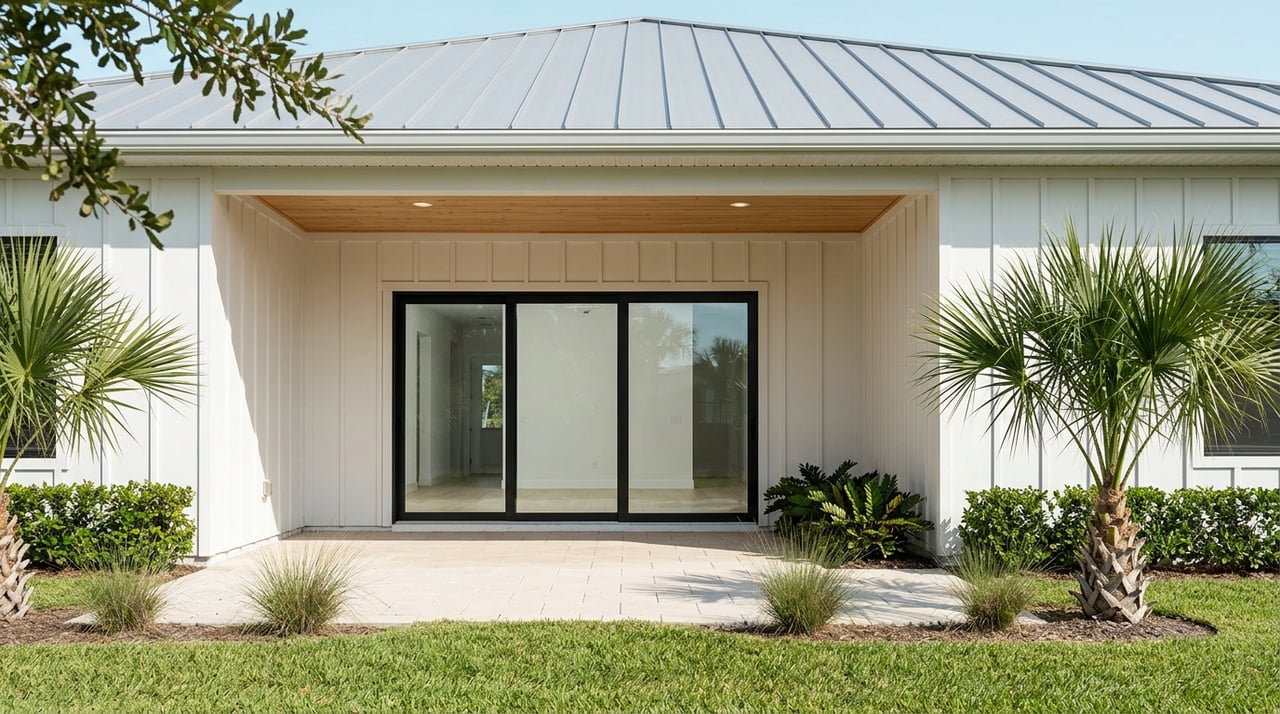
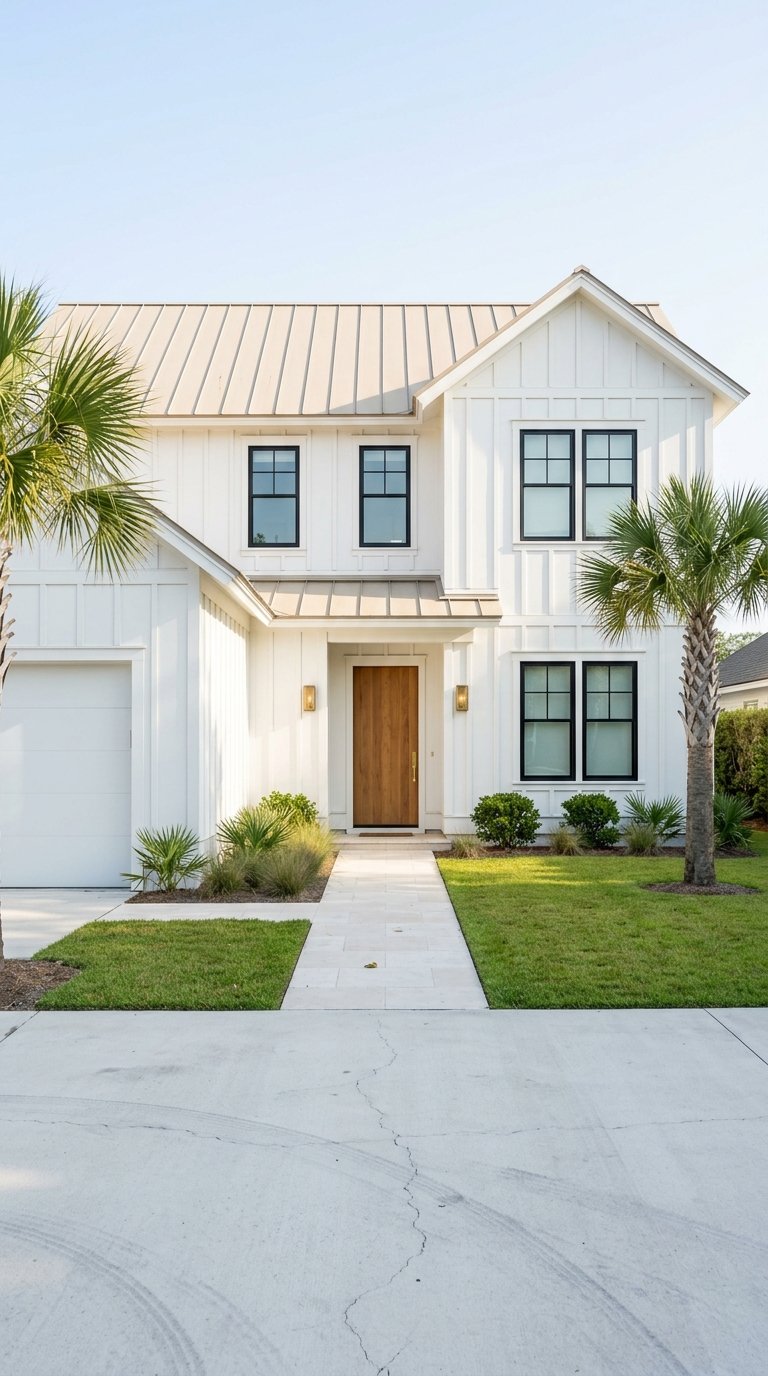
One of the biggest surprises for newcomers is that Panama City Beach does not have just one housing style. The city’s growth pattern suggests a layered housing market with older beachside areas, condo and townhouse corridors, and newer planned subdivisions.
Earlier development included mostly single-family housing along the beachfront and in older areas such as Long Beach, Laguna Beach, and Sunnyside Beach. Later growth added low-density and high-density condo and townhouse areas along Front Beach Road and South Thomas Drive.
North of the Parkway, newer planned subdivisions such as Whisper Dunes, Turtle Cove, and Breakfast Point expanded the single-family home side of the market. That variety gives buyers options depending on whether you want beach proximity, a neighborhood setting, or a property that may fit a second-home or investment goal.
Pier Park Is More Than a Tourist Stop
Pier Park is one of the clearest examples of what makes PCB different. Visitors may know it as a shopping and entertainment destination, but residents often use it as part of regular life.
With 124 stores, dining, a movie theater, and entertainment options, it works as a repeat-use hub for shopping, meals, movies, and rainy-day plans. When you live here, places like Pier Park stop feeling like attractions and start feeling like part of your normal weekly routine.
What Living in PCB Really Feels Like
The simplest way to describe life in Panama City Beach is this: it is a resort town with a real residential core. You are living in a place shaped by visitors, but also by local routines, neighborhoods, schools, parks, and year-round residents.
Some days feel energetic and busy, especially near the beach corridors and shopping centers. Other days feel quiet, local, and easy, especially when you know the back routes, favorite access points, and the times of year that change the pace.
If you are thinking about buying a home, condo, second home, or investment property in Panama City Beach, local guidance matters. Working with someone who understands both the resident side and the resort side of this market can help you find the right fit for your goals. If you are ready to talk through your next move in PCB, connect with Catriese Johnson.
FAQs
What is daily life like in Panama City Beach for full-time residents?
- Daily life in Panama City Beach blends regular routines like work, school, errands, and park visits with easy access to the beach, shopping, and outdoor recreation.
What is the weather like in Panama City Beach year-round?
- Panama City Beach has hot, humid summers, mild winters, an annual mean temperature of 69.4 degrees, and very little to no snow in the climate normals.
What roads matter most when living in Panama City Beach?
- The main roads are Panama City Beach Parkway as the primary east-west route, Hutchison Boulevard as a middle-town alternate, and Front Beach Road as the shoreline corridor.
What public schools serve Panama City Beach families?
- Major public school options tied to Panama City Beach include Hutchison Beach Elementary, Breakfast Point Academy, Surfside Middle School, and Arnold High School.
What kinds of homes can you find in Panama City Beach?
- Panama City Beach includes single-family homes in older and newer residential areas, plus condos and townhomes along key beach corridors such as Front Beach Road and South Thomas Drive.
Is traffic a real issue in Panama City Beach?
- Yes, traffic can increase significantly during busy visitor seasons, especially near Pier Park and Front Beach Road, although route choice and timing can help.