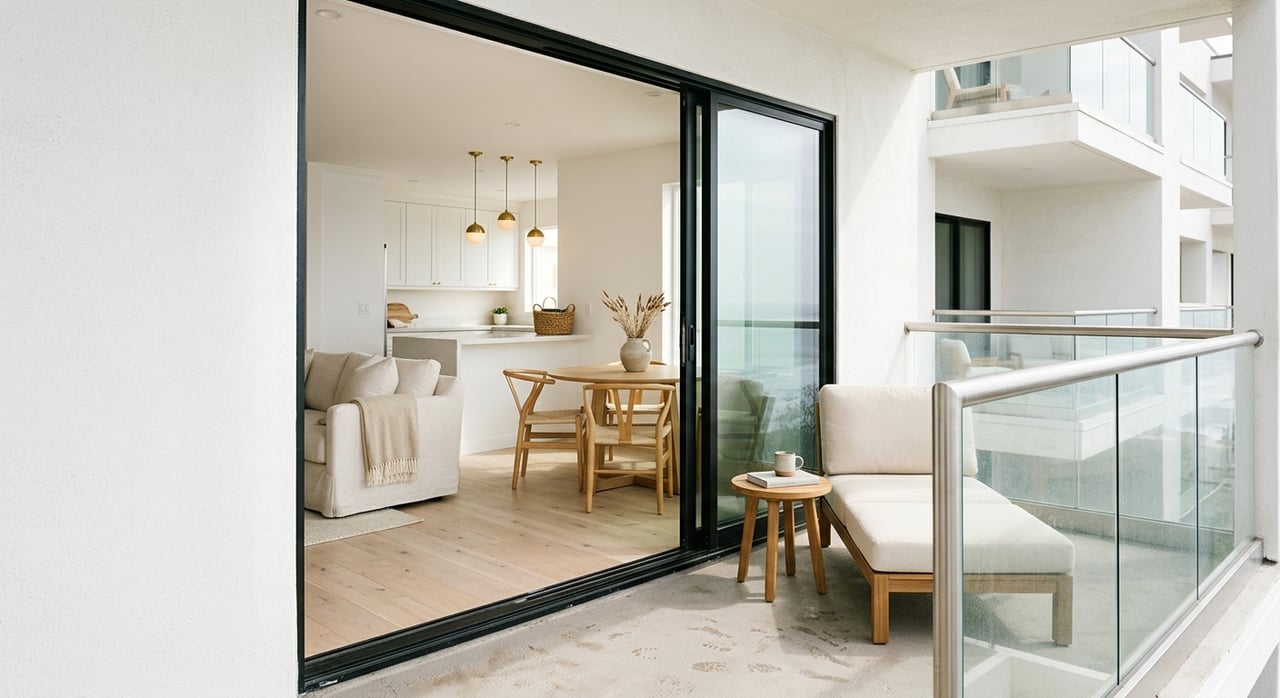
Trying to choose between a condo and a beach house in Panama City Beach? It is a common question, and the answer is rarely just about the purchase price. If you are buying for personal use, rental income, or a mix of both, you need to weigh ownership costs, insurance, upkeep, and local rental rules before you commit. Here is how to think through the decision with more confidence.
Panama City Beach Ownership Basics
Panama City Beach is a resort-driven Gulf market with 13 miles of coastline, more than 19,000 residents, and a tourism-focused economy, according to the City of Panama City Beach community profile. That coastal lifestyle creates strong appeal for both condos and beach houses, but it also changes how you should evaluate the numbers.
One important local detail is that the city says it does not levy ad valorem property taxes. Instead, it relies on business tax receipts and non-ad valorem assessments. For most buyers, that means your condo-versus-house decision is less about a city tax difference and more about ongoing costs like HOA dues, insurance, maintenance, flood exposure, and rental compliance.
Condo Costs in Panama City Beach
A condo can feel simpler to own because many exterior and shared-property responsibilities are handled through the association. In most cases, your HOA dues help fund building insurance, common-area maintenance, and reserve accounts for future repairs. That setup often appeals to buyers who want a more hands-off ownership experience.
Still, lower maintenance does not always mean lower total cost. Under Florida condominium law, associations must maintain adequate property insurance, update replacement cost at least every three years, and comply with reserve and inspection rules that have become more stringent in recent years. In practical terms, that can lead to higher dues or special assessments, especially in older coastal buildings.
You also need your own condo unit-owner policy, often called an HO-6 policy. The Florida homeowners insurance toolkit explains that this policy can cover personal property, certain interior building items not covered by the association, and personal liability. The same guide notes that owners may be assessed when common areas are underinsured or reserves fall short, so reserve health should be part of your budget from day one.
When a Condo Often Makes Sense
A condo may be the better fit if you want:
- A lock-and-leave second home
- Less day-to-day exterior maintenance
- Shared amenities
- A more predictable ownership structure
- A property type often favored by seasonal buyers and some investors
That said, you should never assume every condo is equally easy to own. Building age, reserve funding, inspection history, and rental rules can make one condo a much better fit than another.
Beach House Costs in Panama City Beach
A beach house gives you more control, but it also places more responsibility directly on you. Instead of sharing costs through an HOA budget, you are usually carrying the roof, siding, exterior repairs, yard, and any other structures through your own maintenance planning and insurance.
The Florida homeowners insurance toolkit notes that a standard homeowners policy typically covers the dwelling, other structures, contents, liability, and loss of use. If the property will be rented, insurer guidance points buyers toward dwelling or landlord coverage instead. Just as important, flood coverage is generally separate, and most homeowners policies do not cover flood.
That flood piece matters in Panama City Beach. The Florida Office of Insurance Regulation flood insurance page and FEMA guidance make clear that flood insurance is available to homeowners and condo owners alike, with pricing based on the property's location and structure. Bay County also requires flood-regulation compliance during permitting, and the county notes that older homes in flood-prone areas may face added costs if repairs or additions trigger substantial-improvement rules under its permit requirements.
When a Beach House Often Makes Sense
A beach house may be the better fit if you want:
- More privacy
- More indoor and outdoor space
- Flexible use for guests or larger groups
- More parking or storage potential
- Greater control over the property and its systems
The tradeoff is straightforward. You usually gain flexibility and independence, but you also take on more direct maintenance and insurance exposure.
Rental Rules Matter More Than Many Buyers Expect
If short-term rental income is part of your plan, the property type is only part of the story. The other major issue is jurisdiction. Panama City Beach city limits and unincorporated Bay County have different rules, even though both may allow vacation rentals.
In Panama City Beach city limits, vacation rentals must have a valid Vacation Rental Certificate. The city says it is unlawful to rent or allow occupancy without one. Applicants must register through the city portal, provide proof of DBPR licensing, Bay County tourist development tax registration, and a city business tax receipt, then pay the required city fees.
In unincorporated Bay County, short-term vacation rentals also require annual registration and inspection through the county's short-term vacation rental program. The county states that its 2023 ordinance applies to one- through four-family structures, while high-rise condominium units and apartment complexes are currently exempt from that county ordinance. Bay County also says the 5% tourist development tax applies to short-term or vacation rentals of six months or less in the special taxing district, and platforms like Airbnb and VRBO do not remit that tax on the owner's behalf.
Condo vs. House for Rental Use
This is where many buyers need a closer look at the fine print. A condo is not automatically easier than a beach house, and a beach house is not automatically better for income.
A high-rise condo in the right building and jurisdiction may feel relatively turnkey for an investor. But a condo in Panama City Beach city limits can still carry city registration, inspection, and business tax obligations. On the flip side, a beach house may offer more flexibility and more room for guests, but it can also bring higher direct insurance and maintenance costs, plus county or city compliance obligations depending on location.
Which Property Fits Your Goals?
The best choice usually depends on how you plan to use the property.
For Investors
If your priority is rental performance and ease of ownership, a condo often works well when the building is rental-friendly, financially healthy, and clear on its rules. You may give up some control, but you can also reduce the amount of hands-on exterior oversight that comes with a standalone house.
A beach house may fit better if you want more privacy, more flexible occupancy, or the ability to host larger groups. Just be ready to underwrite the real cost of insurance, flood coverage, upkeep, and compliance, not just the list price.
For Second-Home Buyers
If you want a seasonal getaway that is easy to lock and leave, a condo often lines up well with that lifestyle. Shared maintenance and building amenities can make ownership feel more convenient when you are not in town full time.
If your goal is more outdoor living, more room for visitors, or a more private setting, a beach house often feels like the stronger fit. In a coastal market like Panama City Beach, the daily lifestyle difference between the two can be just as important as the monthly carrying cost.
For Future Full-Time Residents
If you expect to make the property your primary residence, your long-term tax picture may look different from that of an investor or part-time owner. Bay County notes in its FY2025 budget materials that the aggregate millage was 6.0912 mills, and the Bay County Property Appraiser FAQ explains that homestead protections can cap assessed value growth at 3% or inflation, whichever is lower, after the first year for qualifying primary residences.
In that case, the more useful question may be this: do you want the lower-maintenance association model of a condo, or do you want the independence of owning and maintaining every exterior surface and system yourself?
A Smart Due-Diligence Checklist
Before you choose, compare the real ownership picture side by side.
If You Are Buying a Condo
Ask for:
- Declaration, bylaws, and rules
- Current budget
- Reserve study
- Latest milestone-inspection summary
- Special assessment history
- Master insurance declarations
- Rental restrictions
- Parking and storage rules
- Pending capital projects
Florida law requires associations to maintain important records, including inspection reports and structural integrity reserve studies, and owners have rights to inspect those records under state statute. That makes document review one of the most important parts of condo due diligence.
If You Are Buying a Beach House
Make sure you get:
- A flood-zone check
- A flood-insurance quote
- A homeowners or landlord-policy quote based on use
- Confirmation of whether the property is inside city limits or unincorporated Bay County
- A clear understanding of permitting implications for future remodels or additions
These steps help you avoid surprises, especially with older coastal homes where floodplain and permitting rules can affect renovation costs.
The Bottom Line
In Panama City Beach, the better choice is usually the one that matches your intended use and your comfort level with ongoing costs. Condos often suit buyers who want easier upkeep, shared amenities, and a more managed ownership experience. Beach houses often suit buyers who want privacy, flexibility, and direct control over the property.
The biggest mistake is comparing purchase prices without comparing the full cost structure. HOA dues, reserves, insurance, flood risk, maintenance, rental fees, and local registration requirements can change the picture fast. If you want help narrowing down the right fit for your goals in Panama City Beach, connect with Catriese Johnson for local guidance rooted in Bay County market knowledge.
FAQs
Should you buy a condo or beach house in Panama City Beach for a second home?
- A condo often works well if you want a lock-and-leave property with less exterior upkeep, while a beach house may be better if you want more space, privacy, and flexibility.
What costs should you compare when choosing a Panama City Beach condo?
- You should compare HOA dues, reserve funding, special assessment history, your HO-6 policy, rental rules, and the association's insurance and inspection records.
What costs should you compare when choosing a Panama City Beach beach house?
- You should compare homeowners or landlord insurance, flood insurance, roof and exterior maintenance, yard upkeep, and any future permitting or code-compliance costs.
Do short-term rental rules differ in Panama City Beach and Bay County?
- Yes. Panama City Beach city limits and unincorporated Bay County have different registration, inspection, and compliance rules, so you should confirm the property's exact jurisdiction before you buy.
Is flood insurance important for condos and beach houses in Panama City Beach?
- Yes. Flood is generally not covered by standard homeowners coverage, and flood insurance pricing depends on the property's location and structure.