If you are trying to choose between new construction and an established neighborhood in Lynn Haven, you are not just picking a house. You are deciding how much time, flexibility, and upfront research you want to take on before you move. In a city where most homes are owner-occupied and flood and storm planning matter, that choice deserves a closer look. This guide will help you compare both options in a practical, local way so you can move forward with more confidence. Let’s dive in.
Why This Choice Matters in Lynn Haven
Lynn Haven is a small but growing Bay County market with a strong owner-occupied housing base. That means many buyers here are looking for a primary residence, not just a short-term stop.
Because of that, the right fit often comes down to your daily lifestyle, your moving timeline, and your comfort level with due diligence. In Lynn Haven, new construction also comes with a city permitting and land-use process, while established homes let you evaluate the property as it stands today.
New Construction in Lynn Haven
What you are really buying
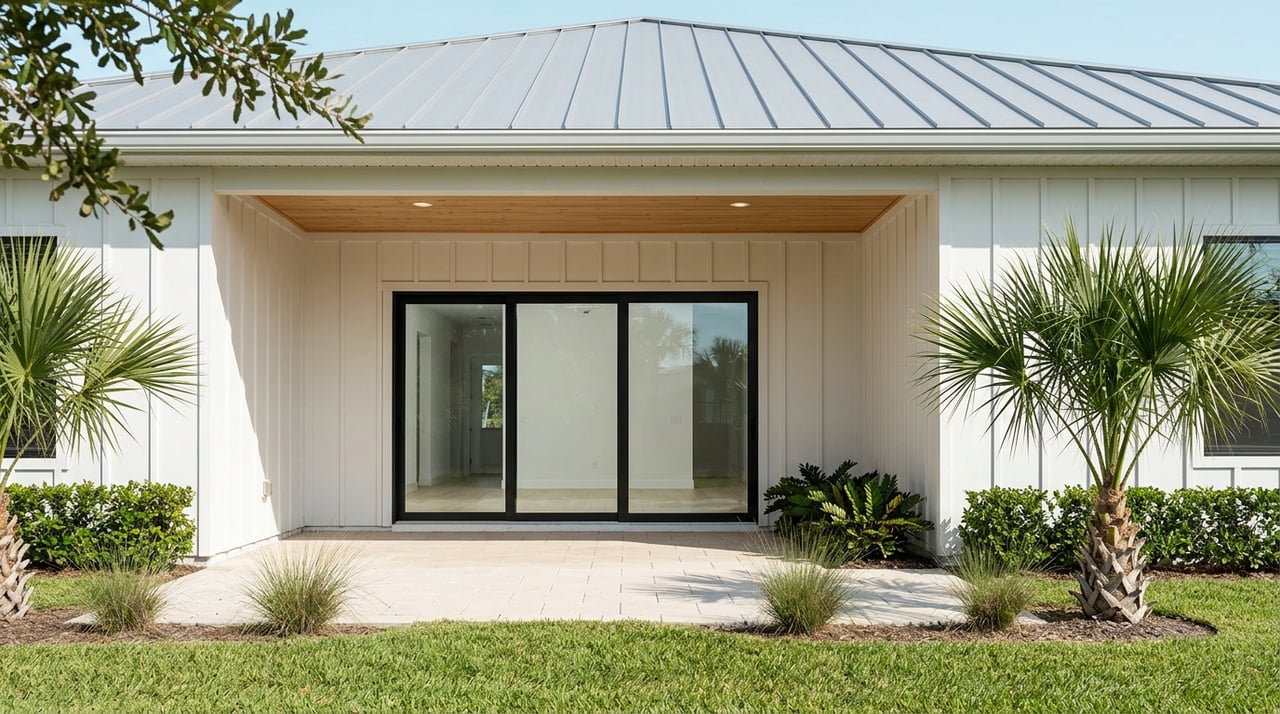
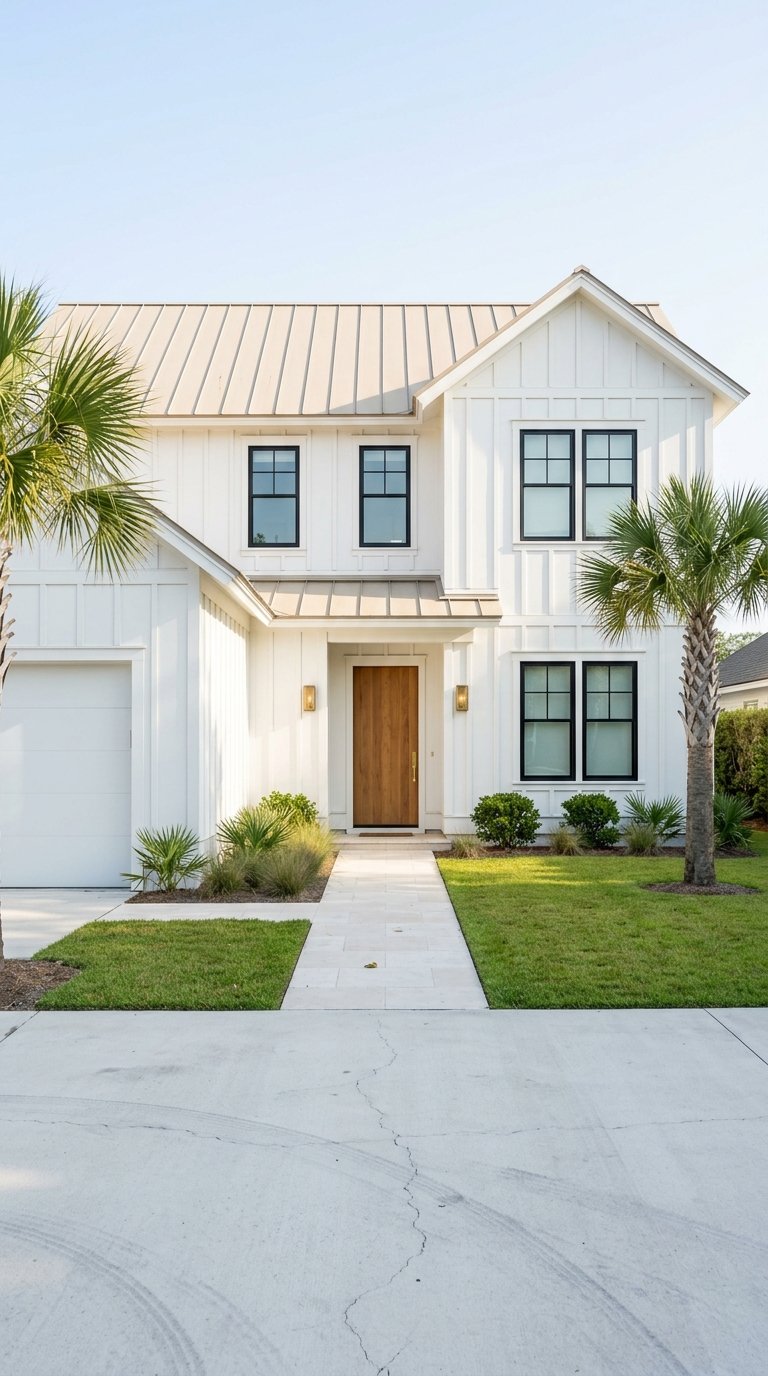
A new build can feel appealing because everything is fresh, clean, and designed for modern living. In many cases, newer homes also come with features buyers expect today, like 2-car garages and porch or patio space.
National data shows new single-family homes sold in 2024 had a median size of 2,210 square feet and a median lot size of 8,021 square feet. In practical terms, newer communities may feel more uniform and less landscape-mature than older parts of Lynn Haven, though the exact feel depends on the subdivision.
The timeline is usually longer
One of the biggest tradeoffs with new construction is time. A typical house may take about one month from permit to start, then another five to seven months from start to completion.
In Lynn Haven, local permitting requirements add another layer to the process. A new single-family home may require sealed plans, a site plan, drainage plan, impact fee worksheets, a temporary power affidavit, water and sewer availability documents, and elevation-related paperwork when applicable before a certificate of occupancy is issued.
Local code and wind standards matter
Lynn Haven notes that it is in the 140 mph wind zone. That makes wind-load compliance part of the conversation from the beginning, not an afterthought.
This is one reason new construction can feel more process-heavy than buying an existing home. You are not only buying a finished product. You are also buying into a timeline shaped by plans, inspections, approvals, and weather.
Builder warranty and deposit questions
Many newly built homes come with a builder warranty. That can offer peace of mind if you prefer a home with new systems and a defined warranty structure.
If you are buying a home that is not yet complete, ask clear questions early. You should understand the builder-deposit refund conditions and whether the builder expects you to use a preferred lender.
Established Neighborhoods in Lynn Haven
You can see the home as it exists
Established neighborhoods often appeal to buyers who want fewer unknowns. Instead of relying on plans or a model home, you can evaluate the actual lot, yard, street layout, and home condition before closing.
That can make decision-making feel more grounded. You are seeing the property in its finished, lived-in form rather than trying to picture the end result months in advance.
Inspections can reveal more upfront
With an existing home, you can assess visible items like the roof, HVAC system, windows, drainage pattern, landscaping, and general wear before you close. That visibility can be a major advantage if you want a better sense of how the property performs in the real world.
This matters even more in Bay County, where buyers should ask whether a property has previously flooded or been storm-damaged. Older homes are not automatically riskier, and newer homes are not automatically risk-free. Each address should be evaluated on its own.
Mature surroundings can be a plus
One common reason buyers lean toward established neighborhoods is the setting. You may find more mature trees, a more settled street pattern, and a clearer picture of how homes and lots function over time.
That said, HOA rules, exterior restrictions, and flood considerations can still apply. Built-out does not always mean simple.
Flood and Storm Due Diligence Applies to Both
Flood risk is a local issue
Bay County says it is highly prone to flood hazards from hurricanes, tropical storms, and heavy rainfall. Lynn Haven also provides public information on flood hazards, flood insurance, and flood protection.
This should be part of your home search whether you are considering a brand-new build or a home in an older neighborhood. Standard property insurance does not cover flood damage, so it is important to understand that risk before you make an offer.
What to check before you buy
A smart Lynn Haven home search should include a property-specific review of flood and storm exposure. The city says its building official can answer questions about historical flooding problems and potential flood threat in a given neighborhood, while Bay County provides flood maps, elevation certificates, and evacuation-zone tools.
Before moving forward, consider asking:
- What flood zone is the property in?
- What evacuation zone applies to the address?
- Has the home or lot flooded before?
- Is an elevation certificate available?
- How does drainage appear on the lot today?
HOA Rules Can Affect Both Options
New communities often come with more structure
Many new construction communities in Florida are governed by an HOA. Before you sign a contract for an HOA-governed property, Florida law requires a disclosure summary.
If that summary was not provided before contract, the buyer may have a short window to void the contract. That makes it important to review the paperwork early and make sure you understand what the community requires.
Established neighborhoods still need review
If you are buying in an established neighborhood with an HOA, do not assume the rules are lighter just because the homes are older. You should still review dues, special assessments, official records, and any architectural rules that affect exterior changes.
Florida law also recognizes that unpaid assessments or amenity fees can become liens. Assessments may change over time, and special assessments may be imposed, so it is wise to look beyond the current monthly number.
What to ask about the HOA
Whether the home is brand new or decades old, ask practical questions such as:
- What are the current dues and amenity fees?
- Can dues increase?
- Are there any pending special assessments?
- What exterior changes require approval?
- Are the architectural rules clearly stated in the governing documents?
Florida law says architectural-control authority exists only to the extent it is specifically stated or reasonably inferred in the declaration or published guidelines. That is why reviewing the actual documents matters.
How to Decide Which Option Fits You
New construction may fit you best if
New construction is often the cleaner fit if you want a newer product, value a builder warranty, and do not mind waiting through permitting, construction, and final inspections. It can also work well if you prefer a more uniform neighborhood feel and like the idea of modern layouts and finishes.
This route usually works best when your timeline is flexible. You need to be comfortable with a process that can stretch over several months and may shift with inspections, approvals, or weather.
Established neighborhoods may fit you best if
Established neighborhoods are often the better fit if you want faster occupancy and fewer moving parts. They also make sense if you want to evaluate the actual house, lot, and surroundings before committing.
If you prefer to judge drainage, visible maintenance, yard size, and street feel in person, an existing home often gives you more certainty upfront. That can be especially helpful in a market where flood and storm due diligence matter.
A Simple Lynn Haven Decision Framework
If you are torn between the two, focus on the questions that shape your day-to-day experience:
| Your Priority | Often Points To |
|---|---|
| Want a builder warranty | New construction |
| Need a quicker move-in | Established neighborhood |
| Prefer to see the exact home and lot now | Established neighborhood |
| Comfortable with a multi-month build timeline | New construction |
| Want a more uniform, newer-home setting | New construction |
| Want to assess visible wear, drainage, and mature surroundings | Established neighborhood |
The right answer is not always about which option is better. It is about which one matches your timeline, risk tolerance, and lifestyle goals in Lynn Haven.
If you want help comparing neighborhoods, reviewing flood and HOA questions, or narrowing down the right fit in Bay County, connect with Catriese Johnson. You deserve local guidance that makes the decision clearer.
FAQs
What is the typical timeline for new construction in Lynn Haven?
- A typical new home may take about one month from permit to start and another five to seven months from start to completion, not counting possible weather, inspection, or approval delays.
What permits are involved with new construction in Lynn Haven?
- The city’s single-family permit process may include sealed plans, a site plan, drainage plan, impact fee worksheets, temporary power paperwork, water and sewer availability documents, and elevation-related documents when applicable.
What should buyers know about flood risk in Lynn Haven?
- Bay County says the area is highly prone to flood hazards from hurricanes, tropical storms, and heavy rainfall, and standard property insurance does not cover flood damage.
What HOA disclosure is required for a Lynn Haven home in an HOA community?
- Florida law requires a disclosure summary before a buyer executes a contract for an HOA-governed property, and the buyer may have a short period to void the contract if that summary was not provided.
What is one advantage of buying in an established Lynn Haven neighborhood?
- One major advantage is that you can evaluate the actual house, lot, drainage, visible condition, and street setting before closing rather than relying on plans or a model home.